
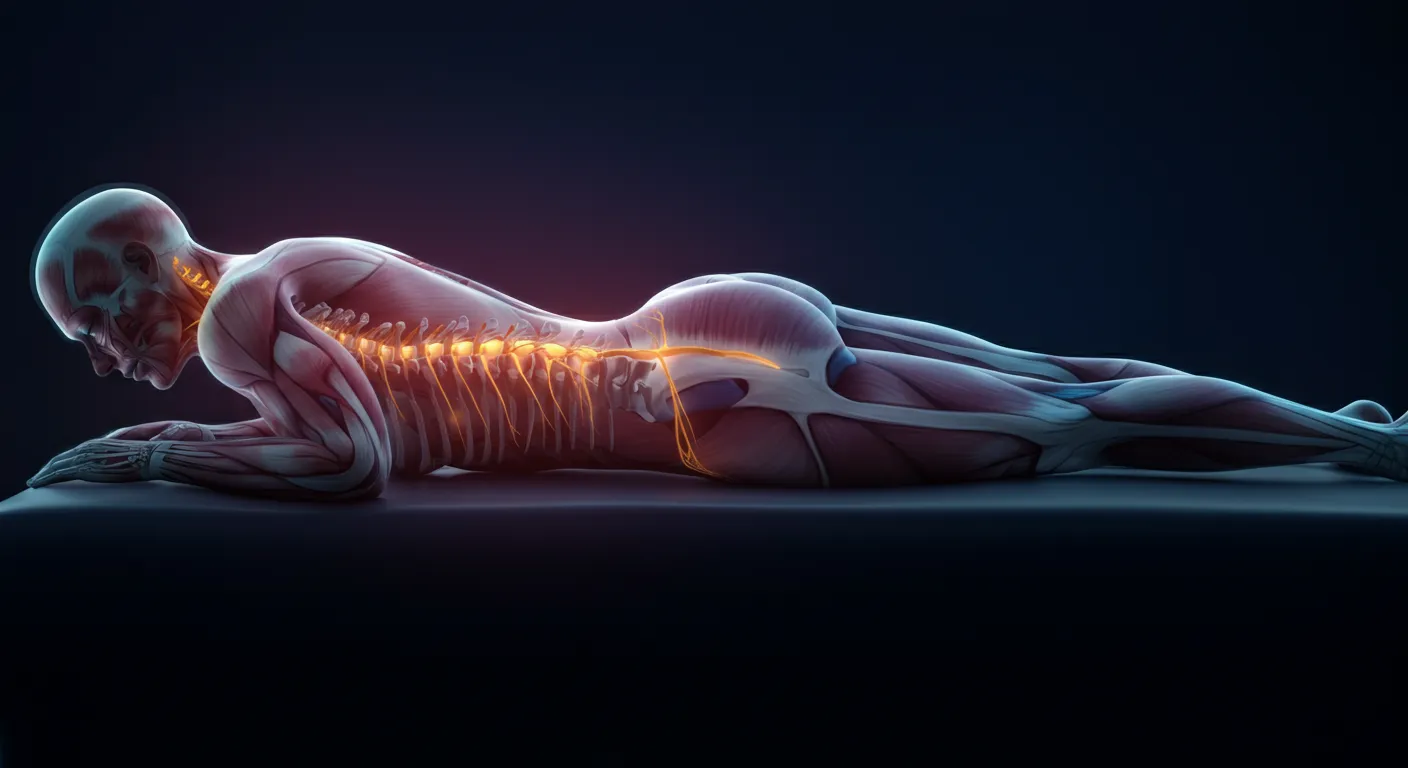
A Guide to Body Scan Meditation for Beginners
Body Scan Meditation: The Science-Backed Practice to Quiet Your Mind and Reconnect With Your Body
I remember a client, Ana, who came to my practice in Barcelona describing a constant, buzzing anxiety. «My thoughts are like a swarm of bees,» she said, «and I feel completely disconnected from myself, like I’m living from the neck up.» This is a story I hear daily. In our hyper-connected world, we’ve become experts at living in our heads, analyzing the past, and worrying about the future, while completely neglecting the rich, real-time data stream of our physical selves. This is where body scan meditation, a foundational mindfulness practice, becomes not just helpful, but essential. As a psychologist, I don’t recommend techniques lightly. I recommend tools with robust clinical backing, and the body scan is precisely that: a direct, trainable method for developing somatic awareness to regulate your nervous system, reduce stress, and ground your emotions.
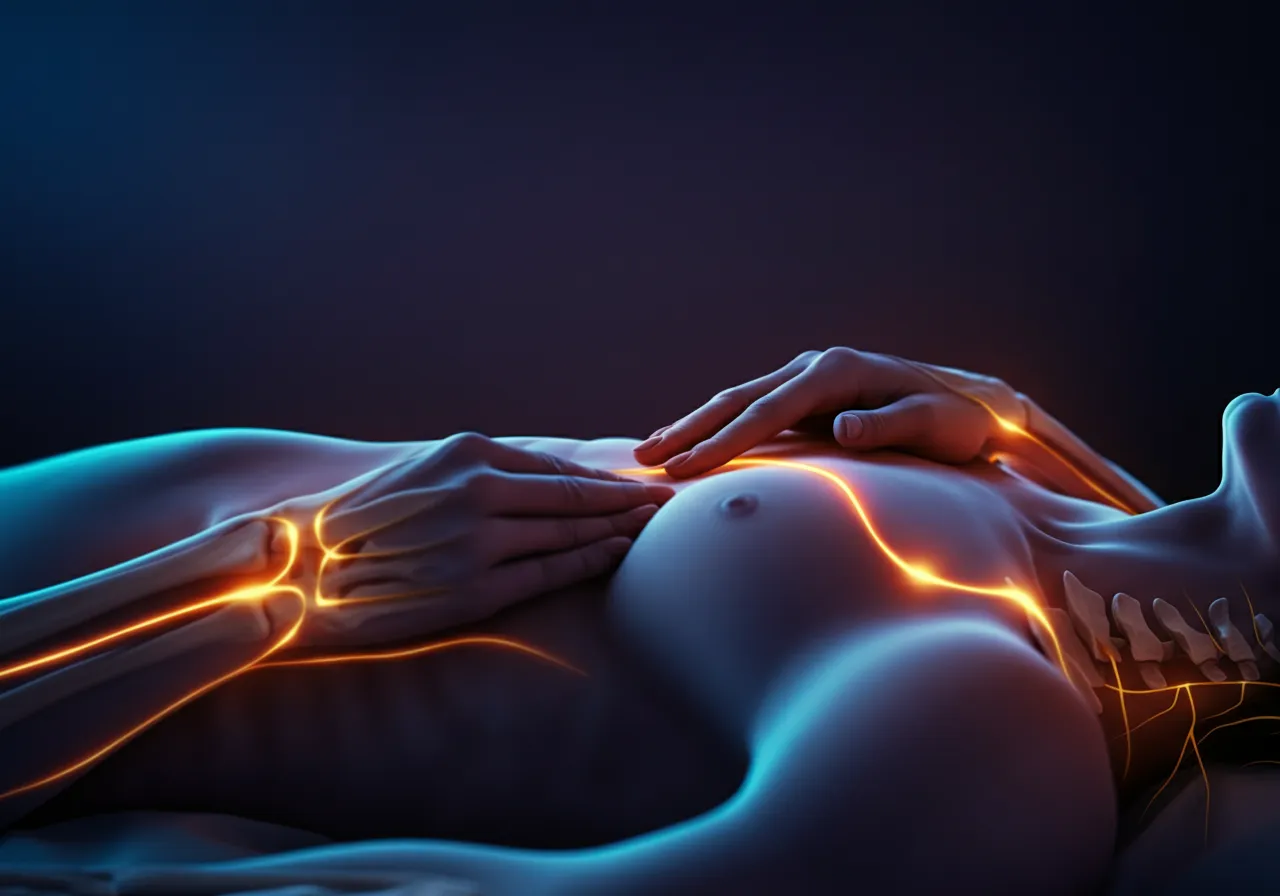
What is Body Scan Meditation? Beyond Simple Relaxation
At its core, a body scan is a structured practice of moving your focused attention gradually through different regions of your body. It’s a form of focused attention meditation, where the «object» of your focus is the physical sensation—or lack thereof—in each part. It’s not about trying to change the sensation (e.g., making a tense shoulder relax), but about observing it with curiosity and without judgment. This subtle shift from reaction to observation is where the magic happens.
In my experience, newcomers often confuse it with progressive muscle relaxation (PMR). While both are valuable, their mechanisms differ profoundly. PMR is a physiological technique involving the deliberate tensing and releasing of muscles to trigger the relaxation response. The body scan, rooted in mindfulness-based interventions like Mindfulness-Based Stress Reduction (MBSR), is a psychological training in awareness. You’re learning to meet your present-moment experience—be it tension, warmth, tingling, or numbness—and simply be with it. This trains the mind in emotional regulation, as you learn to relate to discomfort without immediate aversion or panic.
The Clinical Benefits: Why Psychologists Prescribe This Practice
The benefits extend far beyond a few moments of calm. Over my 16 years of practice, I’ve integrated body scanning into treatment plans for anxiety, chronic stress, and even trauma recovery (under careful guidance). The science supports this application. Here’s a breakdown of its core therapeutic actions:
- Interrupts the Stress Feedback Loop: Stress and anxiety are perpetuated by ruminative thoughts and a heightened state of physiological arousal. By deliberately placing your attention on neutral or even pleasant bodily sensations, you break the cognitive cycle of worry. You literally give your mind a new, non-threatening task.
- Enhances Emotional Regulation: Emotions have distinct somatic signatures—a tight chest with anxiety, a heavy feeling with sadness. Body scanning builds your vocabulary for these sensations. A client once told me, «Now I feel the anxiety as a fluttering in my stomach first. Seeing it just as a sensation, not a catastrophe, gives me a crucial 10-second pause before I react.» This is the essence of regulation.
- Cultivates Somatic Awareness (Re-Embodiment): Many of us experience «dissociation» in mild forms—spacing out, feeling numb, or ignoring bodily cues like hunger or fatigue. The body scan is a gentle, systematic practice of moving back into the body, rebuilding the brain-body connection that is vital for intuitive decision-making and self-care.
- Reduces Physical Pain Perception: Research in mindfulness-based interventions shows that changing one’s relationship to pain—observing it with curiosity rather than resistance—can alter the subjective experience of chronic pain. It doesn’t erase the pain signal but can reduce the secondary suffering of «I can’t stand this.»
The following table contrasts common mental states with the shifts facilitated by regular body scan practice:
| Common Default State | Shift Through Body Scan Practice | Clinical Outcome |
|---|---|---|
| Mind caught in past/future narratives | Attention anchored in present-moment physical reality | Reduced rumination & anxiety |
| Ignoring or battling bodily discomfort | Curious, non-judgmental observation of sensation | Improved pain coping & emotional tolerance |
| Automatic, reactive emotional responses | Increased awareness of the somatic «early warning system» of emotions | Greater emotional regulation & choice in responses |
| Feeling disconnected or «in your head» | Strengthened sense of embodiment and groundedness | Lower dissociation, increased resilience |
A Step-by-Step Guide for Your First Body Scan
Let’s move from theory to practice. You don’t need special equipment—just a quiet space and 10-20 minutes. I guide my clients through this sequence in our sessions, and I encourage you to use it as a script for your first attempts.
- Get Positioned: Lie on your back on a mat or bed, or sit in a comfortable, supported chair. The goal is a posture of dignified alertness, not so comfortable you fall asleep. Allow your arms to rest by your sides, palms open.
- Establish Anchor Breath: Close your eyes if it feels comfortable. Take three deep breaths, noticing the rise and fall of your abdomen or chest. Then, let your breath return to its natural rhythm. This is your home base.
- Initiate the Scan: Bring your attention to the toes of your left foot. Don’t visualize them; feel them. Notice any sensation: warmth, coolness, the touch of your sock, perhaps a mild tingling, or maybe no distinct sensation at all. That’s perfectly fine. The task is to notice what *is*. Hold your attention there for 20-30 seconds.
- Gradually Move Upward: Slowly expand your awareness to include the entire left foot—the sole, the heel, the top. Then, move to the left ankle, lower leg, knee, thigh, and hip. Adopt a pace that feels patient and thorough. The instruction is simple: «Feel this area.»
- Repeat on the Right Side: Gently shift your attention to the toes of your right foot and repeat the same meticulous journey up the right leg to the hip.
- Continue Through the Torso and Back: Move your focus to the pelvic area, lower back, abdomen, upper back, and chest. Notice the movement of the breath here. Observe the sensations across your shoulders, an area where we hold immense tension.
- Scan the Arms and Hands: Bring attention to the fingertips of both hands, then move through the palms, backs of the hands, wrists, forearms, elbows, and upper arms up to the shoulders.
- Observe Neck, Face, and Head: Finally, bring gentle awareness to the neck, throat, jaw (is it clenched?), lips, nose, cheeks, eyes, temples, forehead, and scalp. Notice the space inside your head.
- Integrate the Whole Body: For the final minute, let your attention expand to encompass your entire body as a single, complete field of sensation. Feel it breathing, alive, and present.
- Gently Conclude: Wiggle your fingers and toes. Slowly open your eyes. Take a moment to notice how you feel before getting up.
Navigating Common Challenges: Advice from the Therapy Room
It’s normal to encounter hurdles. The practice isn’t about having a «perfect» session but about learning from these very moments.
- «My mind won’t stop wandering!» This is the practice, not a failure. Each time you notice your mind has drifted to a to-do list or a memory and you gently guide it back to the body, you are doing the crucial rep—strengthening your «attention muscle.» I remember feeling frustrated in my own early practice until a supervisor reframed it: «The magic is in the return, not in never leaving.»
- «I feel nothing in some areas.» Feeling «nothing» is a valid sensation. It’s often a sense of numbness, blankness, or a lack of distinct temperature or texture. Simply note «numbness» or «no clear sensation» and move on. The act of directing attention there is what counts.
- «I get more anxious or notice more pain.» Bringing attention to a tense or painful area can initially amplify it. This is a sign you are becoming aware of what was already there. If it feels overwhelming, you can shorten the time spent on that area or imagine your breath gently flowing around it. The key is not to force or fight. For those with trauma histories, I strongly recommend starting with a therapist or a trauma-sensitive guided meditation.
- «I fall asleep.» This is very common, especially if you are sleep-deprived. It’s a sign your body needs rest. Try practicing in a seated position or at a time of day when you are more alert.
Integrating Body Scans into Your Daily Life
The ultimate goal is to bring this quality of awareness off the meditation cushion and into your life. You don’t need a 20-minute session to benefit. Start with a «mini-scan.»
Before a stressful meeting, take 60 seconds to feel your feet firmly on the floor, the weight of your body in the chair, and the sensation of your hands resting on the table. When you feel anger rising, take three breaths to locate the sensation in your body—is it a clenching in the jaw, heat in the face? This simple act creates a space between trigger and reaction. I often suggest clients pair the practice with a routine activity, like the first sip of morning coffee, truly feeling the warmth of the cup and the taste of the liquid. These micro-moments of somatic awareness are how we build a more resilient, regulated nervous system day by day. For a deeper dive into structuring a sustainable mindfulness habit, resources like those from the Greater Good Science Center can be excellent.
Frequently Asked Questions (FAQ)
Q: How long should a body scan meditation last for a beginner?
A: Start short and manageable. Aim for 5-10 minutes. Consistency with a short practice is infinitely more valuable than an ambitious 30-minute session you never repeat. As your attention stamina builds, you can gradually extend to 20 or 30 minutes. The key is the quality of attention, not the duration on the clock.
Q: Is it better to use a guided meditation or do it silently?
A: For beginners, a guided meditation is highly recommended. A skilled guide provides structure, pacing, and gentle reminders to return your attention, which is incredibly helpful when you’re learning. As you become familiar with the sequence and your own patterns of attention, you may enjoy alternating between guided and silent scans. The silent practice can offer a deeper, more self-directed exploration.
Q: I have a history of trauma. Is body scan meditation safe for me?
A: This is a critical question. While body scanning can be beneficial for trauma recovery by promoting grounding and embodiment, it can also bring up overwhelming sensations or memories if not approached carefully. Do not proceed alone if you have significant trauma. I strongly advise working with a therapist trained in trauma-informed modalities (like Sensorimotor Psychotherapy or Somatic Experiencing) who can help you titrate the practice and establish safety resources first. Look specifically for «trauma-sensitive mindfulness» guides if exploring audio resources.